Introduction
Canada’s agriculture sector has long been a cornerstone of its economy, and one of the most vibrant areas within it is fruit farming. Every year, thousands of workers help cultivate, harvest, and package fruits that are enjoyed across the world. From British Columbia’s cherry orchards to Ontario’s apple farms, fruit picker positions offer reliable employment and a gateway for international workers seeking opportunities in Canada.
In recent years, the demand for foreign labor in Canada’s agricultural sector has surged due to local labor shortages. Many Canadian farms now depend on international workers who bring dedication, strength, and reliability to the job. For those looking to live and work in Canada, fruit picking jobs with visa sponsorship provide an accessible and rewarding path.
This detailed guide covers everything you need to know about fruit picker roles — including job responsibilities, required skills, average pay, provinces hiring international workers, and visa sponsorship options — all written in a natural, human-friendly tone.
Why Canada Needs International Fruit Pickers
The agriculture industry in Canada continues to face a chronic labor shortage. Many Canadians prefer urban employment or year-round office jobs, leaving seasonal farm work positions unfilled. This shortage has prompted the government and private employers to open doors for international workers through structured programs.
1. Growing Demand for Agricultural Labor
With large-scale farms expanding across provinces, fruit farms require thousands of seasonal workers each year to meet domestic and export demands. Without these workers, fruits would go unharvested, leading to major economic losses.
2. Aging Workforce
The average age of Canadian farmers continues to rise, and fewer young locals are entering the agriculture industry. To maintain productivity, employers rely on energetic and committed international labor.
3. Labor-Intensive Harvest Seasons
Fruit harvesting often occurs in short, intense periods when farms must bring in extra hands quickly. Workers from countries like Mexico, Jamaica, the Philippines, India, and Thailand are frequently recruited to meet this need.
4. Government Support for Seasonal Workers
Through programs such as the Seasonal Agricultural Worker Program (SAWP) and the Temporary Foreign Worker Program (TFWP), Canada facilitates legal and fair employment for international laborers on farms.
Understanding the Role of a Fruit Picker
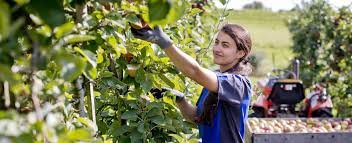
A fruit picker’s job may seem simple at first glance, but it requires skill, endurance, and attention to detail. Workers must harvest fruits efficiently while ensuring quality and handling produce carefully to prevent bruising or spoilage.
Key Responsibilities Include:
- Picking, sorting, and packaging fruits such as apples, cherries, blueberries, grapes, and strawberries
- Operating simple machinery or using ladders and baskets during harvest
- Sorting fruit by size and quality before packing
- Cleaning crates, containers, and equipment
- Assisting in planting, pruning, and field maintenance between harvest seasons
- Working in different weather conditions while maintaining speed and accuracy
While the work can be physically demanding, many international workers find it fulfilling due to its simplicity, community environment, and fair wages.
Skills and Qualities Employers Look For
Canadian farms welcome applicants with little to no prior experience, but certain skills and traits can make a worker stand out.
1. Physical Stamina
Fruit picking often involves long hours of bending, lifting, and walking through fields or orchards. Employers value individuals who can handle repetitive motion and physical activity.
2. Attention to Detail
Each fruit must be picked carefully to avoid damage. A gentle but efficient approach ensures the harvest meets export standards.
3. Time Management
Harvest windows are short, so productivity and speed are essential. Workers must balance efficiency with quality.
4. Teamwork
Fruit picking is often done in teams. Being cooperative and communicative helps maintain smooth workflow.
5. Reliability
Employers prefer workers who show up consistently, complete their tasks responsibly, and follow farm safety rules.
6. Adaptability
Farm conditions change with weather, crop type, and workload. Adaptable workers quickly adjust to different tasks or schedules.
Educational and Experience Requirements
Most fruit picker positions in Canada do not require formal education. However, having prior farm work experience or training in agriculture can increase your chances of getting hired.
Minimum Requirements:
- Basic physical fitness
- Age of 18 or above
- Ability to follow instructions in English or French
- Willingness to work outdoors for long hours
Preferred Qualifications:
- Experience in fruit picking, farm work, or manual labor
- Familiarity with handling tools like shears, ladders, and baskets
- Awareness of food safety and handling standards
Employers usually provide on-the-job training, so even first-time workers can learn quickly.
Types of Fruit Picker Jobs in Canada
Canada’s diverse climate allows for the cultivation of a wide range of fruits. Depending on the season and region, international workers can find opportunities in various roles.
1. Apple Picker
Apple farms, particularly in Ontario and Nova Scotia, hire large numbers of workers every fall. Duties include hand-picking apples, sorting by size and color, and packing them for market.
2. Berry Picker
British Columbia and Quebec are famous for their berry farms. Workers pick strawberries, blueberries, raspberries, and cranberries, often using baskets or mechanical aids.
3. Cherry Picker
In provinces like British Columbia, cherry picking is a major seasonal job. Workers harvest ripe cherries using ladders and handle them delicately to avoid bruising.
4. Grape Picker
Vineyards in Ontario and British Columbia employ workers for grape harvesting used in the wine industry. These positions may offer higher pay due to the premium quality expected.
5. Peach and Plum Picker
Southern Ontario’s orchards provide seasonal jobs during summer, with roles focused on picking, sorting, and packaging soft fruits.
6. Greenhouse Fruit Worker
Some farms grow fruits like tomatoes or strawberries indoors year-round, offering stable, long-term employment for both local and foreign workers.
Provinces with High Demand for Fruit Pickers
Fruit production is spread across several Canadian provinces. However, a few regions dominate due to favorable climates and large-scale farming operations.
1. British Columbia
B.C. is Canada’s fruit capital. From the Okanagan Valley’s vineyards and cherry orchards to berry farms in Fraser Valley, opportunities are abundant. Employers here frequently hire foreign workers during summer harvest seasons.
2. Ontario
Ontario’s Niagara region and southern farmlands are rich in apples, peaches, and grapes. Many large farms participate in the SAWP, offering visa sponsorship and housing.
3. Quebec
Quebec is a leading producer of strawberries, apples, and cranberries. Bilingual international workers who can communicate in English or French have an advantage here.
4. Nova Scotia
Known for apples and blueberries, Nova Scotia offers seasonal picking jobs every year. Employers often recruit foreign workers for short-term harvests.
5. Alberta and Manitoba
These provinces are expanding fruit and vegetable production, offering opportunities in greenhouses and mixed farms.
Typical Work Conditions
Fruit picking requires outdoor labor, often in varying weather conditions. Workers should be prepared for early mornings, long hours, and occasional weekend shifts during peak season.
Working Hours
- Average: 35–60 hours per week
- Shifts may vary depending on daylight, weather, and crop ripeness
- Overtime is sometimes offered during harvest rush
Work Environment
- Outdoor farms, orchards, or greenhouses
- Tasks may involve climbing ladders, carrying heavy baskets, or standing for extended periods
- Employers ensure safety gear and rest breaks are provided
Despite the physical nature of the job, many workers enjoy the camaraderie and fresh air that come with agricultural work.
Average Salary and Compensation
Wages for fruit pickers in Canada vary by province, employer, and experience level. Pay is typically based on either an hourly rate or piece rate (pay per quantity picked).
| Position | Average Hourly Wage | Annual Income Estimate |
|---|---|---|
| Entry-Level Fruit Picker | CAD $15 – $17 | CAD $31,000 – $35,000 |
| Experienced Picker / Team Leader | CAD $18 – $22 | CAD $36,000 – $45,000 |
| Greenhouse or Vineyard Worker | CAD $17 – $23 | CAD $34,000 – $47,000 |
Some employers also offer bonuses or productivity incentives for high-performing workers.
Under visa sponsorship programs, many farms provide free or subsidized housing, transportation, and protective clothing, reducing living expenses significantly.
Visa Sponsorship Options for International Workers
International workers who wish to work legally as fruit pickers in Canada must obtain the right visa. The Temporary Foreign Worker Program (TFWP) and Seasonal Agricultural Worker Program (SAWP) are the primary routes.
1. Seasonal Agricultural Worker Program (SAWP)
This program allows employers to hire foreign workers from participating countries when local labor is unavailable.
Key Features:
- Valid for up to 8 months per year
- Covers agricultural and fruit-picking roles
- Employers must provide free housing and transportation
- Workers are covered under Canadian labor laws
Eligible Countries Include:
Mexico, Jamaica, Trinidad and Tobago, Barbados, Guatemala, and several others.
2. Temporary Foreign Worker Program (TFWP)
Under this broader program, Canadian employers can hire international workers for temporary positions.
Requirements:
- Employer must secure a Labour Market Impact Assessment (LMIA) proving there are no available Canadian workers for the role.
- Worker must have a valid job offer before applying.
- The visa may be renewed depending on the duration of employment and employer needs.
3. Open Work Permits
While less common for fruit picking, workers already in Canada under other visa categories (e.g., spouses or students) may apply for open work permits that allow farm work.
4. Pathway to Permanent Residency
Although seasonal jobs are temporary, consistent employment in the agricultural sector can contribute toward eligibility for certain permanent residency streams, such as:
- Agri-Food Pilot Program
- Provincial Nominee Programs (PNP)
How to Apply for Fruit Picker Jobs in Canada
Step 1: Prepare Your Resume
Your resume should highlight:
- Physical fitness and willingness to perform manual labor
- Any prior experience in farming or harvesting
- Ability to work flexible hours
- Language proficiency in English or French
Step 2: Identify Employers Offering Sponsorship
Look for farms or agricultural companies that participate in the SAWP or TFWP. These employers are authorized to hire foreign workers and can assist with visa paperwork.
Step 3: Secure a Job Offer
Once you are selected, your employer will provide an official offer letter detailing:
- Job title and duties
- Duration of employment
- Wage and benefits
- Housing arrangements
Step 4: Apply for the Visa
Use your job offer and supporting documents to apply for the work permit through the Canadian immigration system.
Step 5: Travel and Begin Work
After approval, you can travel to Canada and start your position as a sponsored farm worker.
Advantages of Working as a Fruit Picker in Canada
- Legal Employment: All work is backed by official contracts and visa programs.
- Fair Pay and Protections: Workers receive fair wages and benefits under Canadian labor laws.
- Housing and Meals: Employers provide accommodation and sometimes subsidized meals.
- Cultural Experience: Work alongside people from various countries and learn about Canadian culture.
- Skill Development: Gain valuable agricultural and teamwork experience.
- Potential for Re-Hire: Good performance often leads to annual re-employment.
Challenges of the Job
While rewarding, fruit picking is not without challenges. Workers should be prepared for:
- Physical fatigue: Repetitive movements and long hours can be tiring.
- Weather conditions: Outdoor work means exposure to heat, rain, or cold.
- Seasonal nature: Many positions are temporary, requiring reapplication for the next season.
- Rural living: Farms are often located in remote areas with limited amenities.
However, most workers adapt quickly and appreciate the sense of purpose and stability these jobs provide.
Life as a Seasonal Worker in Canada
Living as a fruit picker in Canada offers a unique lifestyle. Workers live close to nature, often in peaceful rural settings surrounded by orchards and fields.
Accommodation
Employers typically provide dormitory-style housing equipped with basic amenities like kitchens, bathrooms, and laundry facilities. Housing standards are regulated by provincial authorities.
Meals and Groceries
Some farms include meal services, while others provide kitchen access so workers can prepare their own food.
Community and Culture
Workers often form tight-knit groups, celebrating cultural festivals and sharing meals. The environment fosters teamwork and friendship.
Transportation
Employers usually offer transportation between housing and the worksite, as well as trips to nearby towns for shopping and leisure.
The Future of Fruit Picking in Canada
The outlook for fruit picker jobs remains strong. Canada’s agricultural exports are growing, and many farms are expanding operations. The government continues to support seasonal worker programs to ensure a stable food supply.
Additionally, advancements in greenhouse technology and sustainable farming are creating more year-round fruit production jobs, reducing dependence on short-term labor.
For international workers seeking reliable employment abroad, the Canadian fruit industry remains one of the most promising sectors.
Tips for Success as a Fruit Picker
- Arrive Early: Being punctual sets a positive impression.
- Work Efficiently: Balance speed and care to maximize output.
- Stay Hydrated and Rested: Farming involves physical exertion; self-care prevents burnout.
- Follow Safety Rules: Always use provided gear and follow instructions.
- Be Respectful: Maintain good relationships with coworkers and supervisors.
- Embrace the Experience: Enjoy the opportunity to learn new skills and explore rural Canada.
Real-Life Story Example
A young worker from Jamaica joined a fruit farm in Ontario under the SAWP program. Starting as a berry picker, he worked diligently and gained trust with the management. Over three years, he was promoted to team leader, overseeing a group of new seasonal workers. His consistent performance led to multiple visa renewals, and he now plans to apply for permanent residency through the Agri-Food Pilot.
Stories like his are common — they show that determination, reliability, and professionalism can open doors to long-term success in Canada’s agriculture sector.
Why 2025 Is the Best Time to Apply
The year 2025 presents unprecedented opportunities for international workers. With continued labor shortages, rising fruit exports, and government support for visa programs, foreign applicants are in high demand.
Canada’s farms are actively recruiting international labor to ensure harvests are successful. For applicants seeking stable income, global work experience, and the possibility of permanent migration, this is the ideal time to apply.
Conclusion
Fruit picker positions in Canada are more than just seasonal jobs — they represent an entryway to a brighter future. For international workers, these roles offer stable income, valuable experience, and a chance to explore life in one of the world’s most welcoming countries.
Through government-supported visa sponsorship programs, foreign workers can legally and safely contribute to Canada’s thriving agricultural sector. Whether you’re picking apples in Ontario, cherries in British Columbia, or blueberries in Nova Scotia, every harvest adds to a story of growth, opportunity, and global cooperation.
If you’re hardworking, adaptable, and ready to take on a new challenge, Canada’s fruit farms are waiting to welcome you in 2025 and beyond.